



International Tropical Field Studies Programme
Wildlife, Ecology, Conservation & Culture – Sri Lanka
Experience conservation beyond the classroom while contributing to meaningful conservation action in Sri Lanka.
Programme Overview
Monitor wild elephant herds. Document tropical biodiversity. Engage with local communities. Experience conservation beyond the classroom while contributing to meaningful conservation action in Sri Lanka.
The Centre for Eco-Cultural Studies (CES) invites students, graduates, researchers, and young professionals from around the world to participate in an immersive field-learning experience within one of Asia’s most remarkable biodiversity and cultural landscapes.
More than an internship, this programme provides opportunities to engage directly in wildlife conservation, ecological research, environmental education, community engagement, cultural heritage, conservation communication, and applied field studies.
For more than 25 years, CES has worked at the intersection of wildlife conservation, biodiversity research, environmental education, cultural heritage protection, and community-based conservation. Participants gain exposure to real-world conservation challenges while developing practical skills, professional experience, and intercultural understanding.
Whether your interests lie in wildlife conservation, ecology, environmental science, GIS mapping, anthropology, conservation communication, filmmaking, environmental education, or community engagement, CES offers opportunities to learn, contribute, and grow while working alongside conservation practitioners, researchers, educators, local communities, and media professionals.
Why Choose CES?
Unlike many conventional volunteer or internship programmes, CES provides opportunities to participate directly in active conservation, research, education, and community-based initiatives.
CES At A Glance
- More than 25 years of conservation and research experience
- Active elephant monitoring and conservation programmes
- Long-term biodiversity documentation initiatives
- Proposed Kalavava National Park conservation programme
- Wildlife crime monitoring and conservation advocacy
- Community-based conservation and coexistence initiatives
- Indigenous and local knowledge engagement
- Nature TV Sri Lanka conservation media platform
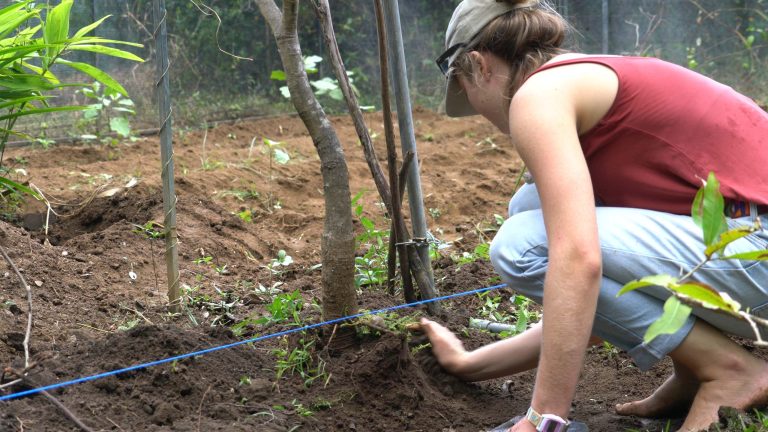
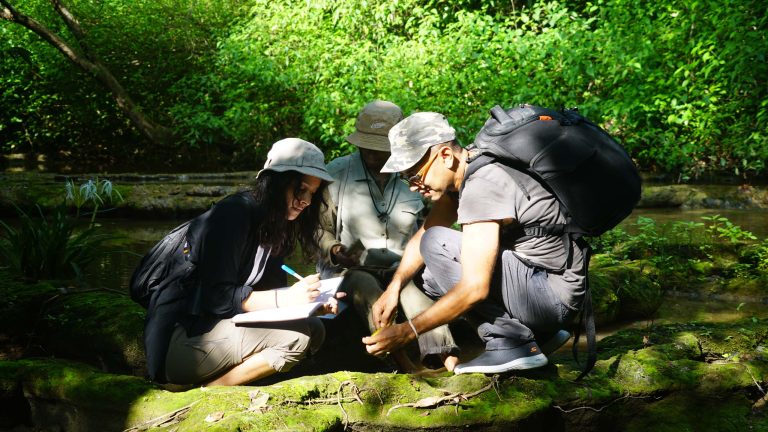
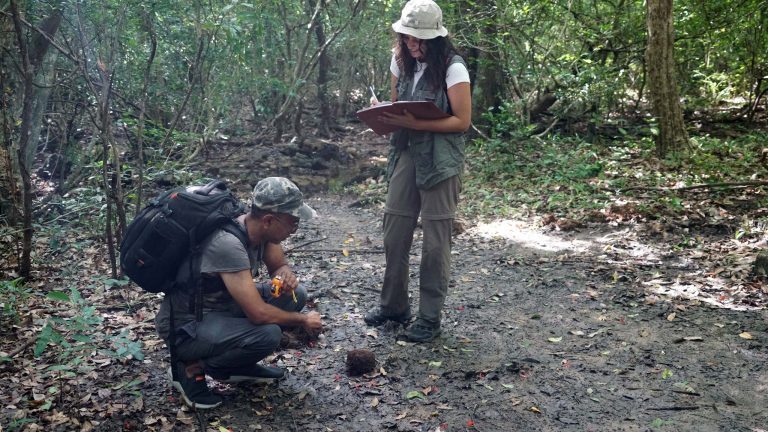
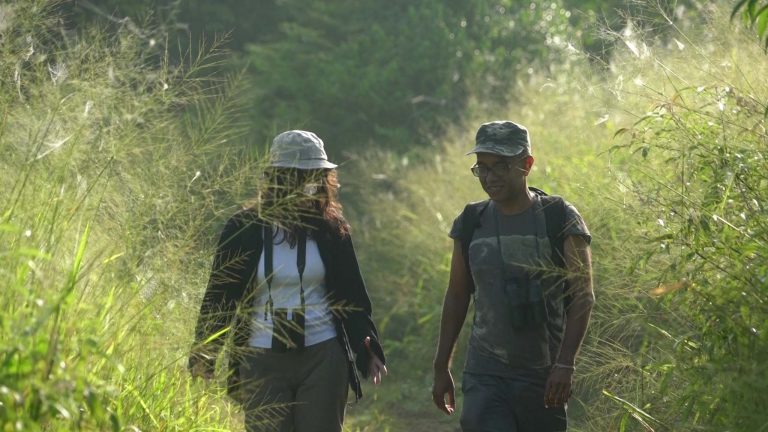
Five Signature Experiences
An immersive hands-on approach to tropical conservation and eco-cultural discovery. Scroll horizontally to view all experiences.
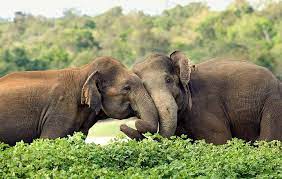
1. Wildlife Monitoring
Gain practical experience in elephant monitoring, biodiversity surveys, camera trapping, habitat assessments, species documentation, and ecological field research.
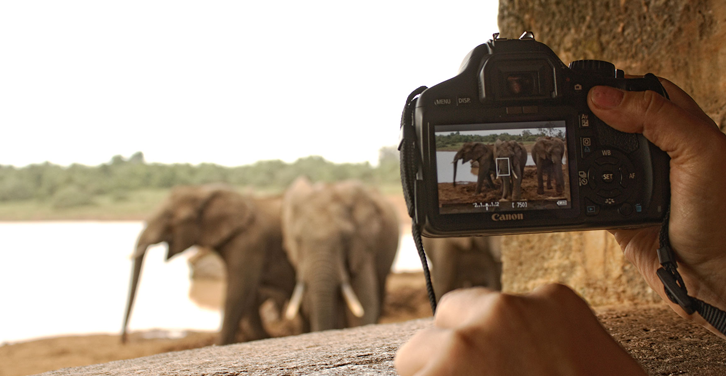
2. Filming & Documentation
Work alongside Nature TV Sri Lanka to document wildlife and environmental stories through photography, videography, and conservation communication.
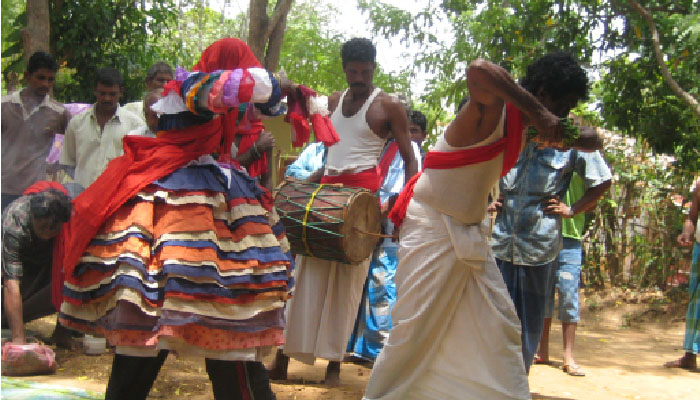
3. Cultural & Community
Experience Sri Lanka beyond tourism through direct interaction with local communities, traditional livelihoods, and intercultural exchange.
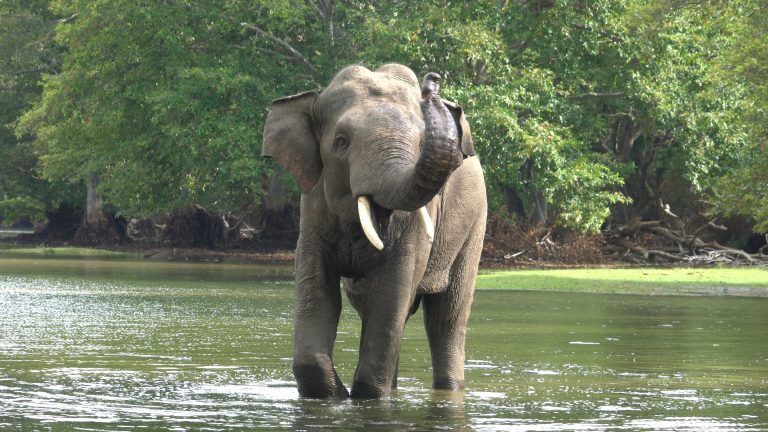
4. Wildlife Crime & Advocacy
Gain insight into wildlife protection efforts, crime monitoring, conservation advocacy, threat documentation, and awareness initiatives.
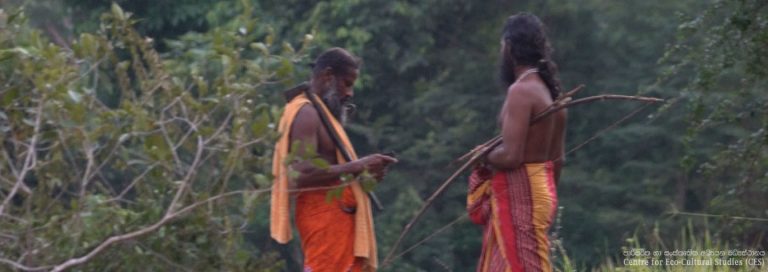
5. Indigenous Engagement
Explore traditional ecological knowledge, community-based conservation, and the relationships between people, landscapes, and wildlife.
Internship Subject Areas
Find the right pathway to align with your career goals and interests.
Wildlife & Conservation
- Wildlife Conservation & Applied Field Research
- Elephant Ecology & Behaviour Monitoring
- Human–Wildlife Coexistence Studies
- Tropical Ecology & Biodiversity Studies
- GIS & Conservation Mapping
- Wildlife Crime Monitoring
Heritage & Culture
- Eco-Cultural Heritage Studies
- Archaeology & Heritage Studies
- Anthropology & Sociological Studies
- Indigenous & Local Community Studies
Media & Sustainability
- Wildlife Photography & Field Documentation
- Nature & Environmental Digital Media
- Environmental Education & Community Outreach
- Conservation & Legal Advocacy
- Sustainable Tourism & Conservation
Life at CES Field Bases
Live and study in immersive local field stations surrounded by nature.
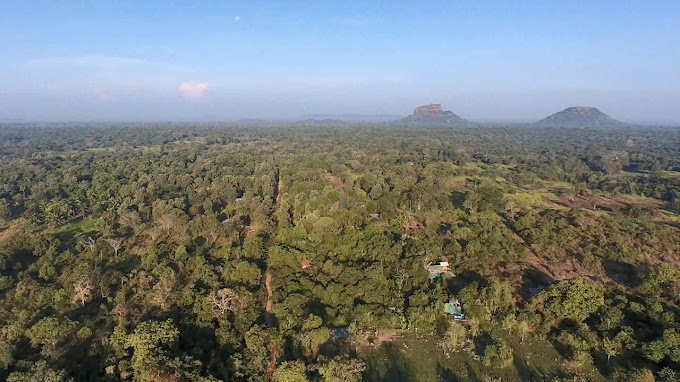
Sigiriya Research & Training Centre
Located within a biodiversity-rich landscape near Sigiriya World Heritage and Wildlife Sanctuary bordering Minneriya – Girithale Nature Reserve.
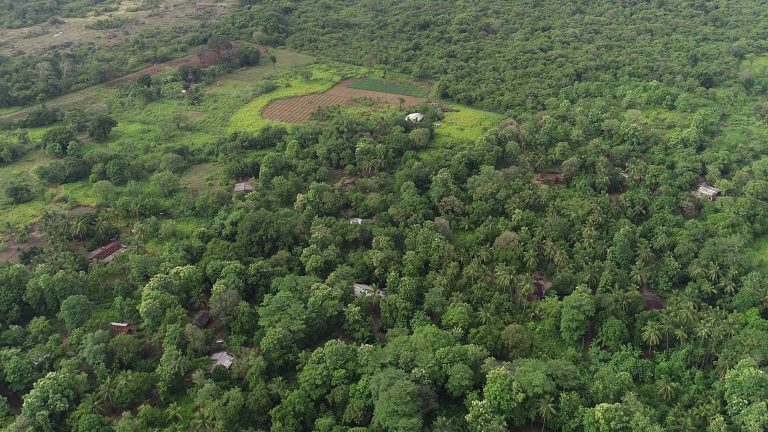
CES Sella Base Camp (Yala Block III)
Located on the edge of the Yala National Park landscape providing immersive field experiences and conservation learning.
What Will You Gain?
- Wildlife monitoring and ecological field research techniques
- Biodiversity assessment and tropical species identification
- GIS applications and spatial conservation mapping
- Conservation communication and environmental storytelling
- Community engagement and environmental education
- Cross-cultural communication and teamwork skills
- Professional networking within conservation sectors
Who Can Apply?
Applications are welcome from undergraduate students, postgraduate students, researchers, recent graduates, conservation enthusiasts, and young professionals.
No prior field experience is required, but applicants should have adaptability, curiosity, and passion for conservation and field learning.
Internship Fees & Costs
| Duration | Contribution |
|---|---|
| 1 Month | USD 650 |
| 2 Months | USD 1,250 |
| 3 Months | USD 1,800 |
| Registration & Admin Fee | USD 100 |
What Is Included?
- Shared accommodation at CES field bases
- Three daily nutritious meals
- Project-related local transport & logistics
- Field supervision, mentoring & training
- Access to research facilities & equipment
Not Covered
- International airfare
- Airport transfers
- Visa fees & insurance
- Personal travel & recreational activities
- Personal field gear & incidentals
Frequently Asked Questions
No previous field experience is required. CES welcomes individuals from diverse academic and professional backgrounds.
Typical placements range from one to three months. Shorter academic tourism visits are also accepted.
Yes. Participants may conduct approved research projects subject to university and ethical requirements.
Bring suitable field clothing, hiking shoes, sun protection, medications, laptops, and optional camera equipment.
Participants stay at CES field facilities including Sigiriya and Yala field stations with simple and immersive accommodation.
Yes. Participants who successfully complete the programme receive a Certificate of Participation from CES.
Many participants use CES placements for academic credit, internships, dissertations, and thesis support.
Activities vary and may involve walking in tropical environments, wildlife observation, outdoor data collection, GIS work, or media production.
Apply Now
Please complete our application form to secure your placement in the upcoming field batch.
For further information or partnership inquiries, please contact CES through the enquiry option within the form.